

LQ-RTO-Wärme-Storage-Hochtemperaturverbrennungsausrüstung
Cat:Ausrüstung
Überblick über die RTO vom Typ Turm Regenerativer thermischer Oxidationsmittel (RTO) ist ein Gasbehandlungsgerät für organische Abfälle, da...
Siehe Details
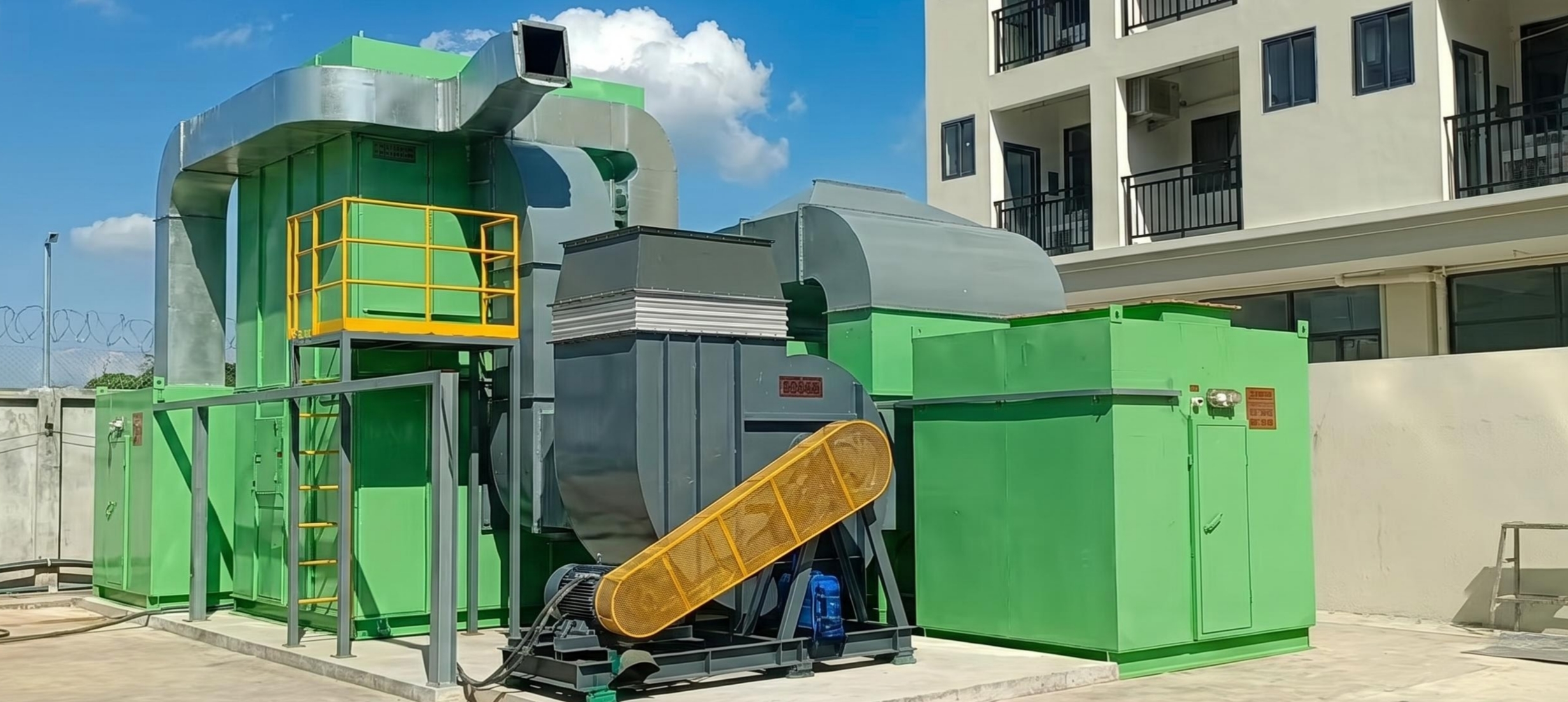
Lvquan Environmental Protection Engineering Technology Co., Ltd. hat die Installation eines vor Ort abgeschlossen 60.000 m3/h Zeolith-Festbettadsorption plus katalytisches Verbrennungssystem für eine Produktionsstätte in Kambodscha. Das System befindet sich derzeit in der Vorinbetriebnahmephase. Vor dem ersten Probelauf werden die elektrische Verkabelung, die Kanalabdichtung und die Sicherheitsverriegelungen überprüft. Dies VOC-Abgasbehandlung Das Projekt spiegelt die wachsende Nachfrage in ganz Südostasien nach zuverlässigen Abgasreinigungsgeräten mit großem Luftstrom wider, die an unterschiedliche Produktionspläne und Schadstoffkonzentrationen angepasst werden können.
Das installierte System kombiniert zwei komplementäre Reinigungsstufen in einer einzigen kompakten Stellfläche: eine Zeolith-Festbettadsorptionseinheit, die verdünnte organische Dämpfe konzentriert, und eine katalytische Brennkammer, die den konzentrierten Strom bei kontrollierter Temperatur oxidiert. Diese Paarung ist eine gängige Konfiguration für Anlagen, die ein großes Abluftvolumen mit vergleichsweise geringer Schadstoffkonzentration erzeugen, da sie es dem Aufbereitungssystem ermöglicht, einen hohen Luftstrom zu bewältigen, ohne eine vollwertige Brennkammer mit dem rohen, nicht konzentrierten Volumen zu betreiben.
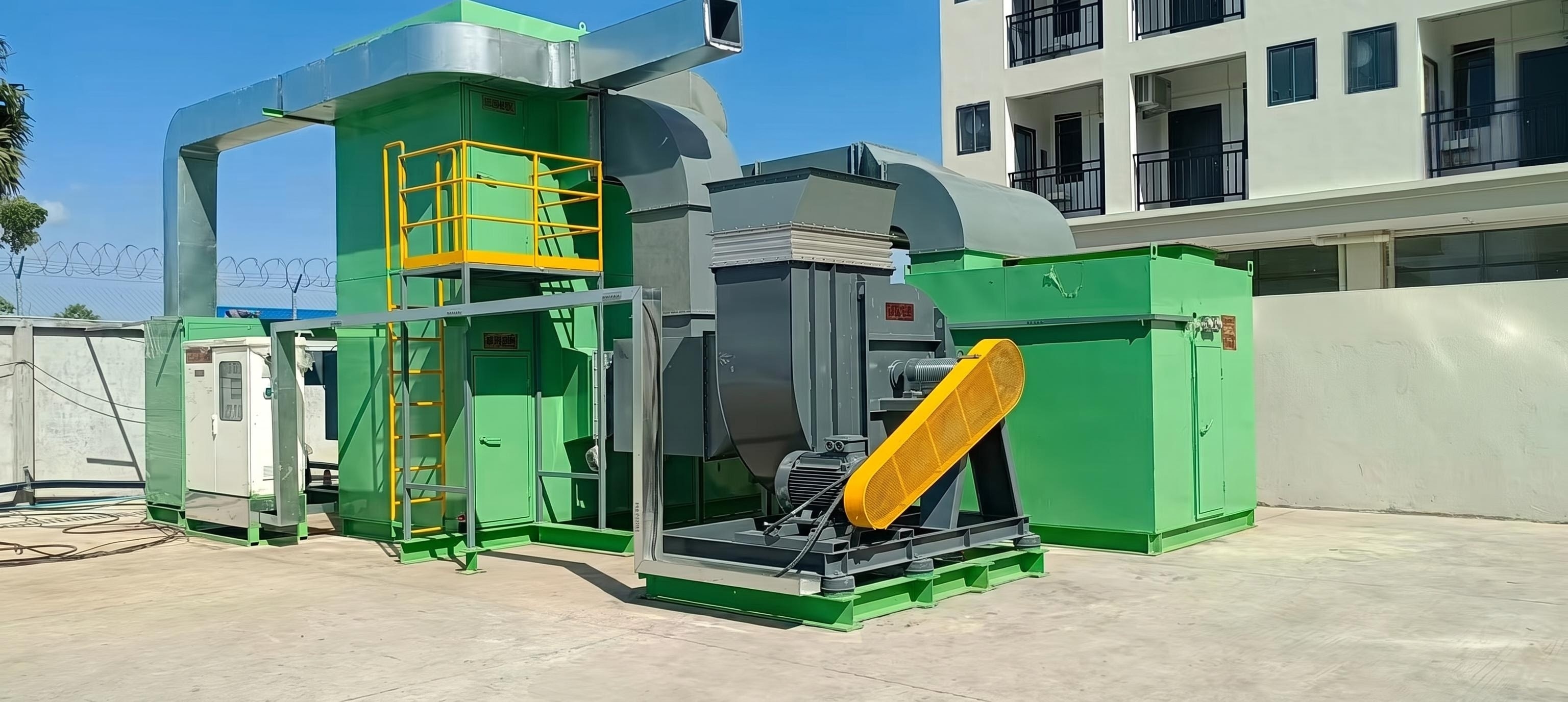
A Zeolith-Festbettadsorption Das Gerät verwendet Zeolithmaterial mit Wabenstruktur, um flüchtige organische Verbindungen einzufangen, wenn die Abluft durchströmt. Zeolith wird in industriellen Geräten zur Luftreinhaltung bevorzugt, da seine mikroporöse Struktur im Verhältnis zu seiner physikalischen Größe eine große innere Oberfläche bietet und es ihm ermöglicht, organische Moleküle selbst bei relativ niedrigen Einlasskonzentrationen effizient zu adsorbieren. Sobald das Zeolithbett eine festgelegte Adsorptionskapazität erreicht, schaltet das System auf einen Desorptionszyklus um, bei dem ein kleineres Volumen erhitzter Luft verwendet wird, um die eingefangenen Verbindungen wieder aus dem Material zu entfernen und sie, jetzt in einem weitaus konzentrierteren Strom, zur Verbrennungsstufe zu leiten.
Die katalytische Verbrennungsausrüstung Die Stufe oxidiert diesen konzentrierten Strom dann bei einer Temperatur, die erheblich niedriger ist, als die thermische Oxidation allein erfordern würde, da das Katalysatorbett die Aktivierungsenergie senkt, die für den Ablauf der Oxidationsreaktion erforderlich ist. Dies führt im Allgemeinen zu einem geringeren Kraftstoffverbrauch pro entfernter Schadstoffeinheit im Vergleich zur reinen thermischen Oxidation, da nur der kleinere, konzentrierte Luftstrom die Reaktionstemperatur erreichen muss und nicht das gesamte ursprüngliche Abgasvolumen.
Die chart below illustrates, in simplified form, how airflow volume is reduced at each stage of the process, from the original 60,000 m3/h intake down to the smaller volume that actually enters the catalytic combustion chamber after concentration.
Wie die Abbildung zeigt, ermöglicht die Zeolith-Adsorptionsstufe die praktische Behandlung einer Abgasquelle mit großem Luftstrom wie dieser Anlage in Kambodscha, ohne dass eine übergroße Brennkammer erforderlich ist. Dieser abgestufte Ansatz ist einer der Gründe, warum die Zeolith-Festbettadsorption plus katalytische Verbrennung zu einer häufigen Wahl für Einrichtungen geworden ist, die nach einem solchen Verfahren suchen industrielles Abgasbehandlungssystem ist in der Lage, einen hohen Luftstrom zu bewältigen und gleichzeitig die Größe der Verbrennungsausrüstung auf den konzentrierten Strom und nicht auf das gesamte Rohvolumen zu beschränken.
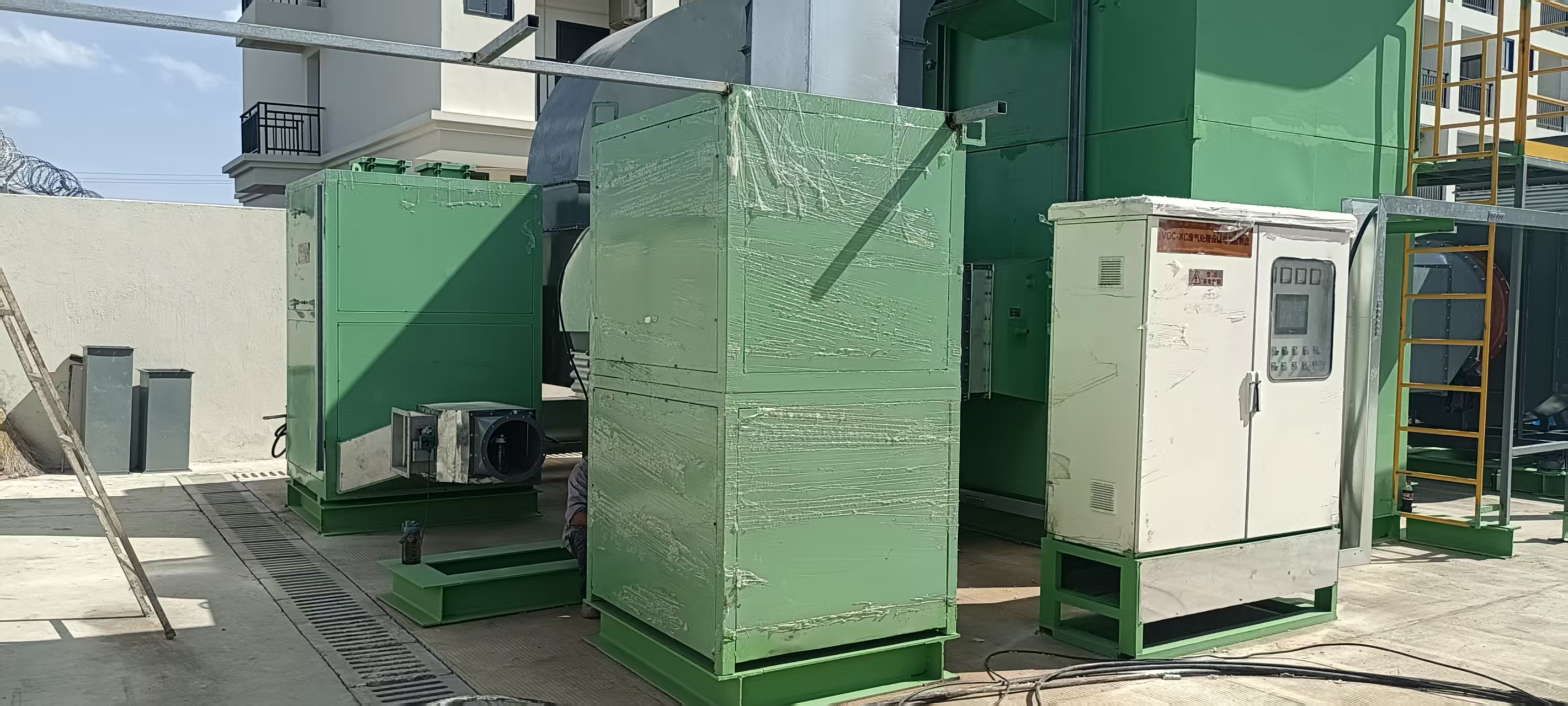
Die Cambodia project covers a complete Abgasreinigungsgeräte Paketgröße für ein Abluftvolumen von 60.000 m3/h, installiert auf einer Betonplattform im Freien neben dem Produktionsgebäude. Die Installation umfasst das Zeolith-Adsorptionsgehäuse, das katalytische Verbrennungsmodul, isolierte verzinkte Rohrleitungen, die die Abluft zwischen den Stufen leiten, einen Zentrifugal-Induktionsventilator mit geschütztem Antriebsriemen und einen speziellen elektrischen Schaltschrank, in dem die speicherprogrammierbare Steuerung und Sicherheitsverriegelungen untergebracht sind.
| Komponente | Funktion |
|---|---|
| Zeolith-Adsorptionsgehäuse | Fängt organische Dämpfe aus dem Rohabgasstrom auf |
| Katalytisches Verbrennungsmodul | Oxidiert den konzentrierten Desorptionsstrom |
| Radial-Induktionsventilator | Leitet Abluft mit Nennluftstrom durch das gesamte System |
| Isolierte verzinkte Rohrleitungen | Leitet die Abluft zwischen Adsorptions- und Verbrennungsstufe |
| Elektrischer Schaltschrank | Beherbergt die SPS, die Temperaturüberwachung und Sicherheitsverriegelungen |
| Zugangsleiter und Wartungsplattform | Bietet sicheren Zugang für routinemäßige Inspektionen und Wartungsarbeiten |
Jedes größere Gehäuse vor Ort ist mit einer dauerhaften grünen Beschichtung versehen, die den Standardausrüstungsspezifikationen von Lvquan entspricht und für Korrosionsbeständigkeit in einer tropischen Außenumgebung ausgewählt wurde, in der Feuchtigkeit und Regen eine wichtige Rolle spielen. Gelbe Leitplanken kennzeichnen die Wartungsplattform und den Zugangsbereich zum Ventilator und folgen der standardmäßigen industriellen Sicherheitsfarbcodierung, sodass Bediener bei Routineinspektionen erhöhte Arbeitsbereiche und bewegliche Geräte schnell erkennen können.
Einrichtungen, die a VOC-Minderungssystem Für Anwendungen mit großen Luftströmen spielen im Allgemeinen einige Kernfaktoren eine Rolle: Energieverbrauch pro behandelter Abgaseinheit, verfügbare Stellfläche vor Ort und die Fähigkeit, schwankende Produktionspläne zu bewältigen, ohne dass die Ausrüstung neu konfiguriert werden muss. In diesen Situationen wird häufig die Zeolith-Festbettadsorption plus katalytische Verbrennung gewählt, da die Zeolithstufe kurzfristige Schwankungen der Abgaskonzentration absorbiert und einen gleichmäßigeren, konzentrierteren Strom an die Verbrennungsstufe abgibt, anstatt dass die Brennkammer sofort auf jede Schwankung im Rohabgas reagieren muss.
Dieser Puffereffekt ist besonders nützlich für Fertigungsbetriebe, bei denen das Produktionsvolumen und damit die Abgasleistung je nach Schicht oder Jahreszeit schwankt. Anstatt eine Brennkammer für das maximale Rohabgasvolumen zu dimensionieren, kann die Größe des Systems auf die konzentrierte Leistung des Desorptionszyklus abgestimmt werden, die im Laufe der Zeit tendenziell stabiler ist. Die folgende Liste fasst die wichtigsten Überlegungen zusammen, die diese Konfiguration bei einem Projekt dieser Größenordnung normalerweise begünstigen.
Speziell für das Kambodscha-Projekt wurde diese Anlage aufgrund des Ansaugvolumens von 60.000 m3/h klar in die Kategorie eingestuft, in der eine Konzentrationsstufe einen praktischen Mehrwert bietet, da die direkte Behandlung dieses gesamten Volumens in einer Brennkammer einen erheblich größeren Brenner und Verbrennungsbehälter erfordern würde als die hier verwendete konzentrierte Strömungskonstruktion.
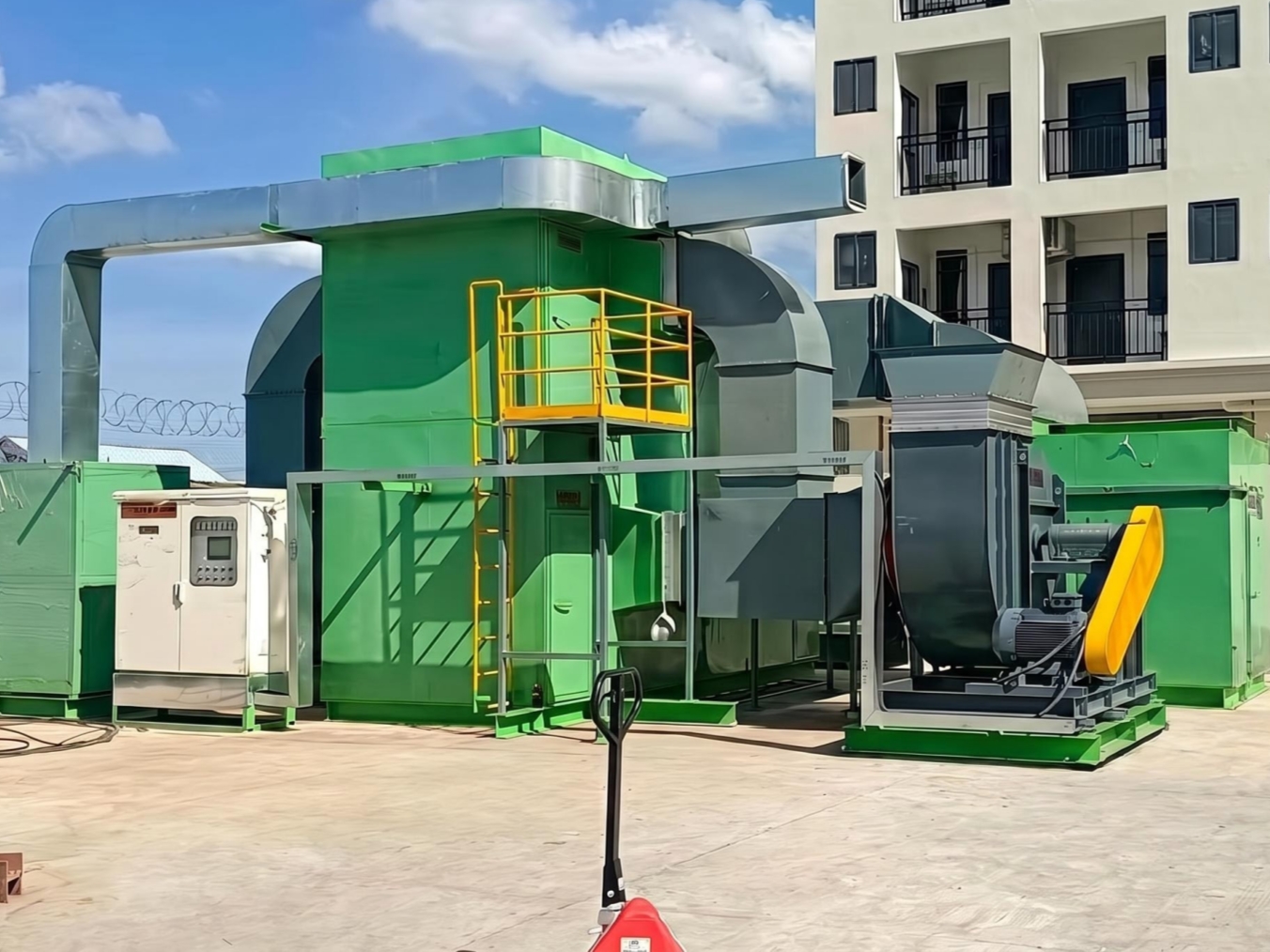
Bevor ein System dieser Größe seinen ersten Probelauf startet, wird im Allgemeinen eine strukturierte Vorinbetriebnahmesequenz befolgt, um sicherzustellen, dass die Anlage für den Dauerbetrieb bereit ist. Am Standort in Kambodscha umfasst diese Sequenz die Überprüfung von Kanalverbindungen und Flanschdichtungen auf Luftlecks, die Bestätigung der Verkabelung des elektrischen Schaltschranks anhand des Konstruktionsschemas, die Prüfung des Induktionsventilators unter Leerlaufbedingungen, um Drehrichtung und Vibrationsniveaus zu überprüfen, sowie die Kalibrierung von Temperatursensoren, die vor und nach der katalytischen Brennkammer positioniert sind.
| Bühne | Zweck |
|---|---|
| Inspektion von Rohrleitungen und Flanschen | Bestätigt die luftdichte Abdichtung aller Verbindungen |
| Überprüfung des elektrischen Schaltplans | Passt die Verkabelung vor Ort an das genehmigte Design an |
| Leerlauf-Lüftertest | Überprüft Drehrichtung, Vibration und Lagertemperatur |
| Kalibrierung des Temperatursensors | Gewährleistet genaue Messwerte vor und nach der Brennkammer |
| Funktionstest der Sicherheitsverriegelung | Bestätigt, dass Auslöser für die automatische Abschaltung wie vorgesehen reagieren |
Sobald diese Prüfungen abgeschlossen sind, geht das System in einen überwachten Probelauf über, bei dem Luftstrom, Temperatur und Adsorptions-Desorptions-Zyklen gemeinsam überwacht werden, um zu bestätigen, dass die Ausrüstung unter den tatsächlichen Abgasbedingungen der Anlage wie vorgesehen funktioniert, bevor sie für den regulären Betrieb übergeben wird.
Diese Installation in Kambodscha spiegelt ein breiteres Muster von Produktionsstätten in ganz Südostasien wider, in die investiert wird industrielle Luftaufbereitungslösungen Da die regionale Umweltaufsicht gestärkt wurde und exportorientierte Hersteller ihre Geschäftstätigkeit zunehmend an internationalen Umweltpraktiken ausrichten. Anlagen zur Herstellung von Beschichtungen, Klebstoffen, Druckmaterialien und ähnlichen Produkten, die organische Dämpfe emittieren, sind häufige Kandidaten für diese Art von Produkten technische Ausrüstung für die Abgasbehandlung , da diese Prozesse typischerweise einen hochvolumigen Abgasstrom mittlerer Konzentration erzeugen, der gut für eine Zeolithkonzentration und eine katalytische Verbrennungskonfiguration geeignet ist.
Die chart below illustrates, in general terms, how project inquiries of this scale and type have trended over recent years across the broader Southeast Asia region, reflecting a steady increase in facilities seeking a VOCs organische Abgasbehandlung Modernisierung im Rahmen eines Neubaus oder einer Anlagenerweiterung.
Wie gezeigt, ist das Interesse an der Modernisierung der VOC-Behandlung mit großem Luftstrom im dargestellten Zeitraum stetig gewachsen, ein Trend, der mit der zunehmenden Zahl exportorientierter Produktionsanlagen übereinstimmt, die in der gesamten Region gebaut oder erweitert werden. Für Anlagen mit einem Gewicht von ca Geräte zur Luftreinhaltung Projekte wie dieses zeigen, wie ein einzelnes integriertes System so konstruiert und installiert werden kann, dass es einer bestimmten Luftstromanforderung entspricht, anstatt sich auf eine generische Konfiguration von der Stange zu verlassen.
Lvquan Environmental Protection Engineering Technology Co., Ltd. hat seinen Sitz in der Stadt Gaoyou, Yangzhou, dem „Nordtor“ von Jiangsu. Es handelt sich um ein Aktienunternehmen, das durch die Zusammenarbeit von Talenten mit umfassender Erfahrung in der Entwicklung und Herstellung von VOC-Geräten seit über 30 Jahren und ähnlichen Konzepten gegründet wurde. Es handelt sich um einen professionellen Hersteller von technischen Anlagen zur Behandlung organischer flüchtiger organischer Verbindungen (VOCs). Das Unternehmen verfügt über ein eingetragenes Kapital von 22 Millionen Yuan, ein Anlagevermögen von fast 40 Millionen Yuan, ein Gesamtvermögen von fast 60 Millionen Yuan und eine Fabrikgebäudefläche von 9.800 Quadratmetern.
Die company operates more than 200 sets of various types of machining equipment and employs 120 staff, supporting an annual production capacity of 100 million yuan. This manufacturing base allows Lvquan to design, fabricate, and install complete VOC-Abgasbehandlung Systeme im eigenen Haus, von den Zeolith-Adsorptions- und katalytischen Verbrennungsmodulen bis hin zu den unterstützenden Rohrleitungen, Ventilatoren und elektrischen Steuerungssystemen, die in Projekten wie dieser Installation in Kambodscha verwendet werden.
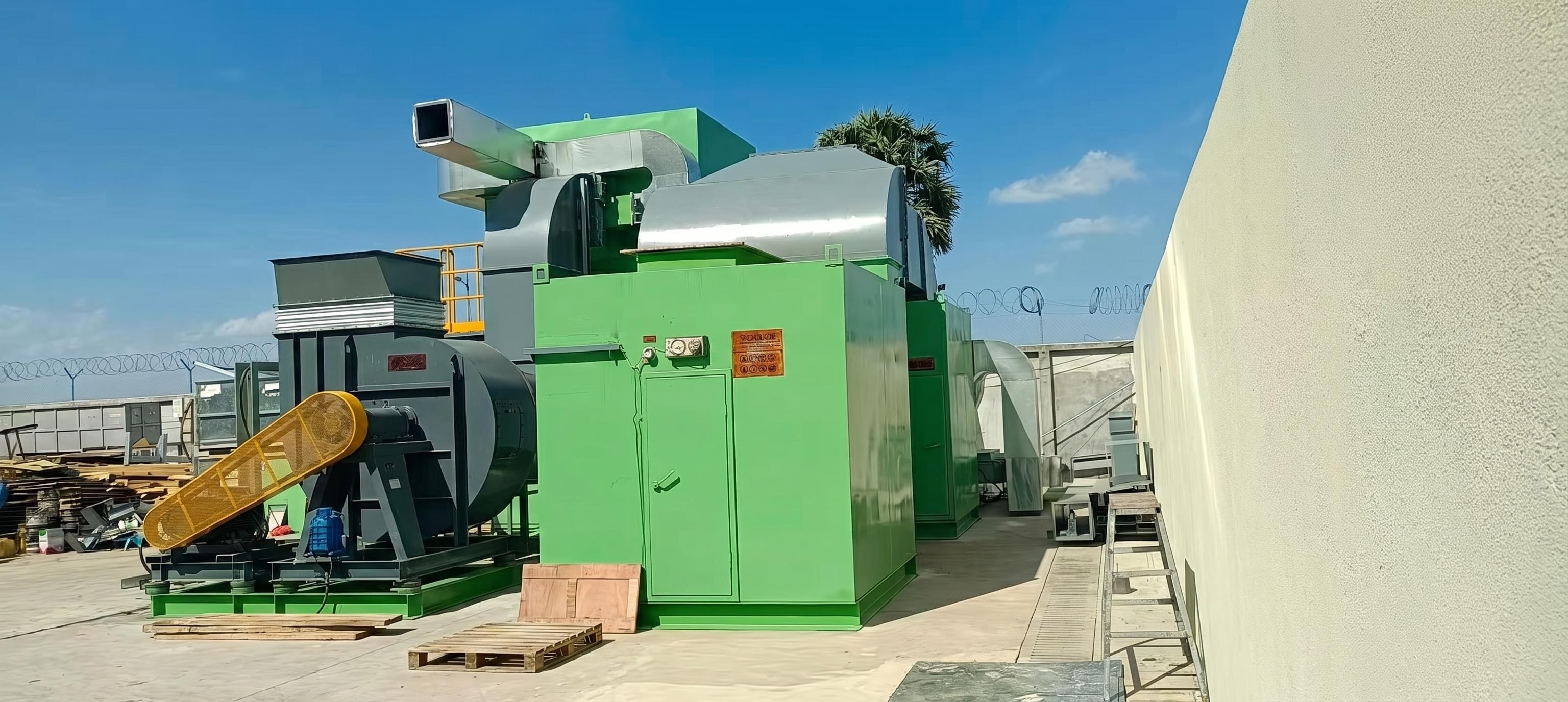
Diese Konfiguration dient der Behandlung von Industrieabluft, die flüchtige organische Verbindungen enthält, wobei die Schadstoffe durch Zeolithadsorption konzentriert werden, bevor sie in der katalytischen Verbrennungsstufe oxidiert werden.
Durch die Kombination der beiden Stufen kann zunächst ein großes Volumen an Rohabluft konzentriert werden, sodass die Größe der Brennkammer auf den kleineren, gleichmäßigeren konzentrierten Strom statt auf den gesamten Rohluftstrom ausgelegt werden kann.
Die Vorinbetriebnahme umfasst im Allgemeinen die Inspektion von Rohrleitungen und Flanschen, die Überprüfung des elektrischen Schaltplans, einen Leerlauf-Lüftertest, die Kalibrierung des Temperatursensors und die Funktionsprüfung der Sicherheitsverriegelung, bevor der erste Probelauf beginnt.
Anlagen, die ein großes Abluftvolumen mit einer moderaten Konzentration organischer Dämpfe erzeugen, wie etwa Beschichtungs-, Klebe- oder Druckbetriebe, sind häufige Kandidaten für ein Zeolith-Adsorptionssystem mit großem Luftstrom und katalytischem Verbrennungssystem.
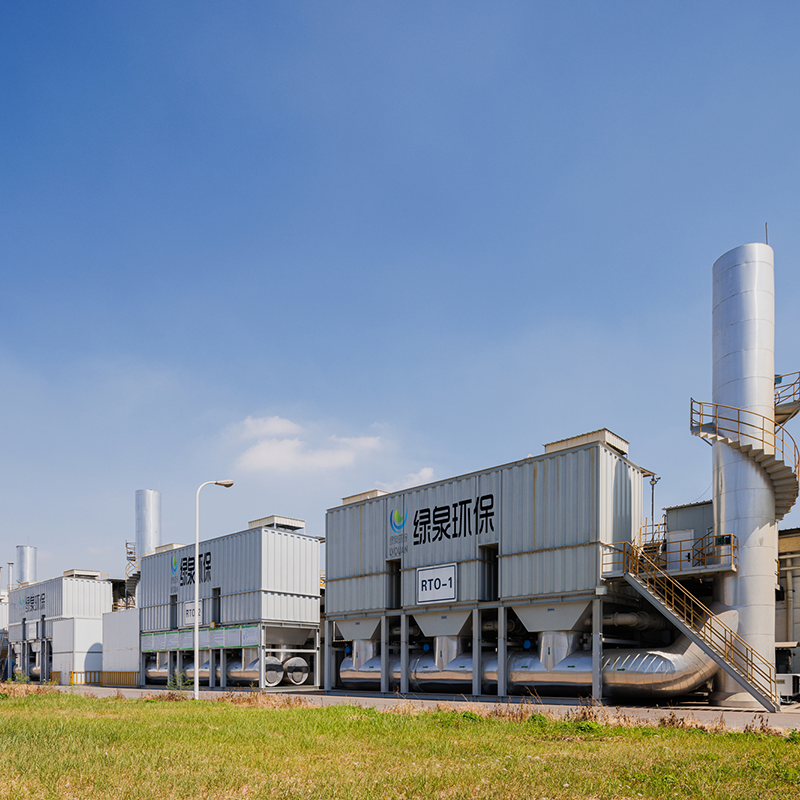
Überblick über die RTO vom Typ Turm Regenerativer thermischer Oxidationsmittel (RTO) ist ein Gasbehandlungsgerät für organische Abfälle, da...
Siehe Details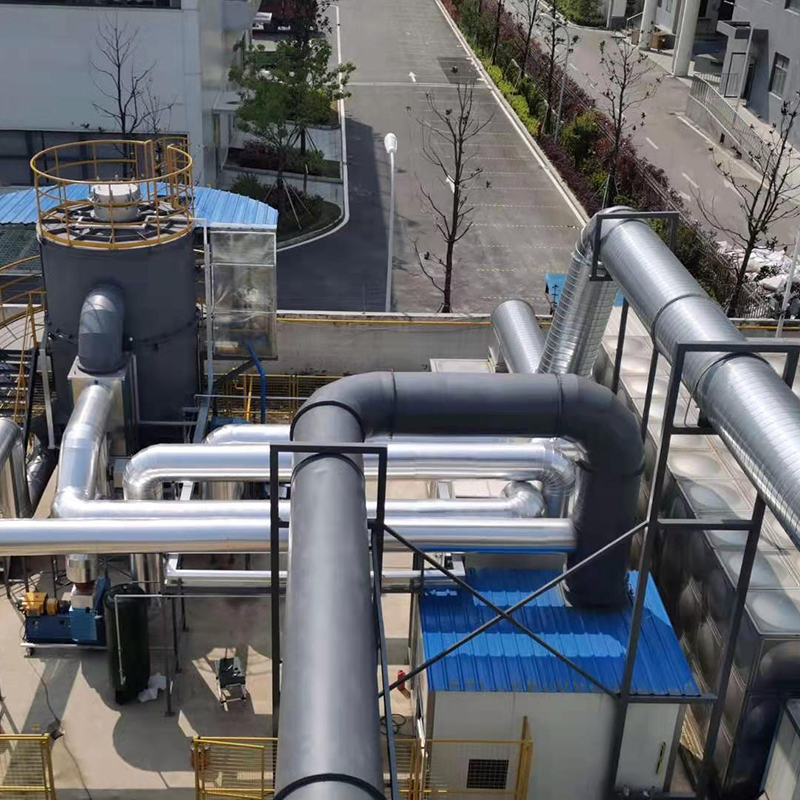
Überblick über die RTO vom Typ Turm Unser Unternehmen bietet zwei Arten von Rotary RTO an, nämlich das Rotary RTO und das Einzelfass-Multi-...
Siehe Details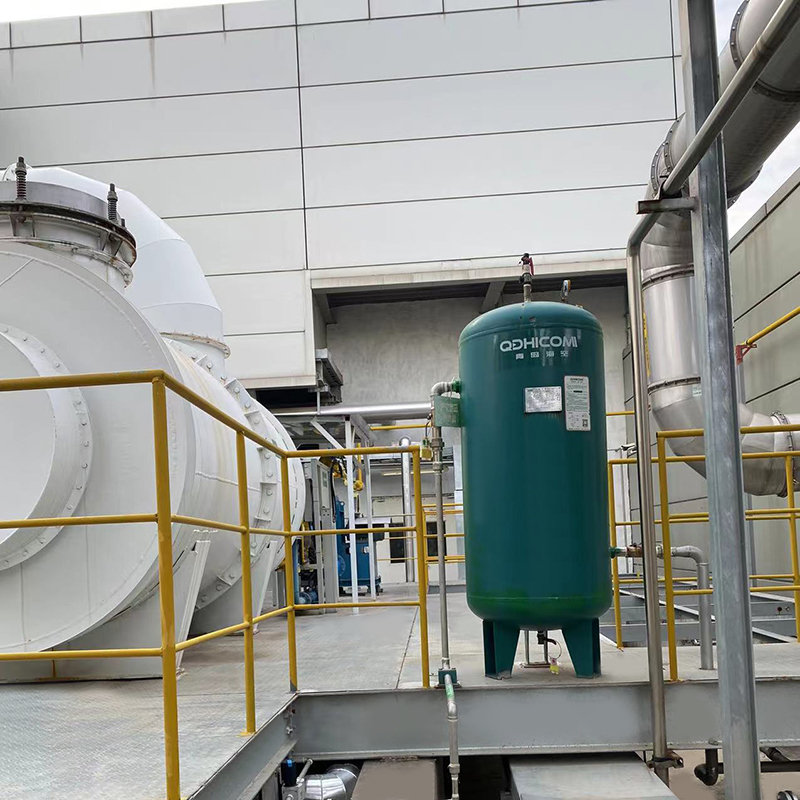
Überblick Direkte Verbrennungsausrüstung mit hoher Temperaturen, abgekürzt, nutzt die Wärme, die durch die Verbrennung von Hilfskraftstoff ...
Siehe Details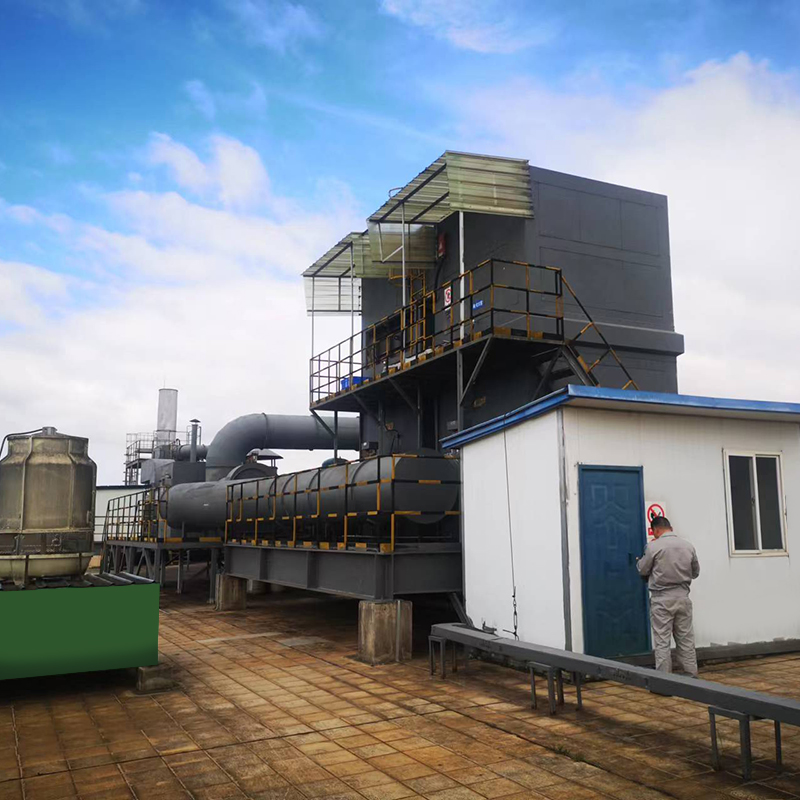
Überblick Die katalytische Oxidation der thermischen Lagerung (regenerative katalytische Oxidationsmittel/RCO) ist ein Gasbehandlungsgerät ...
Siehe Details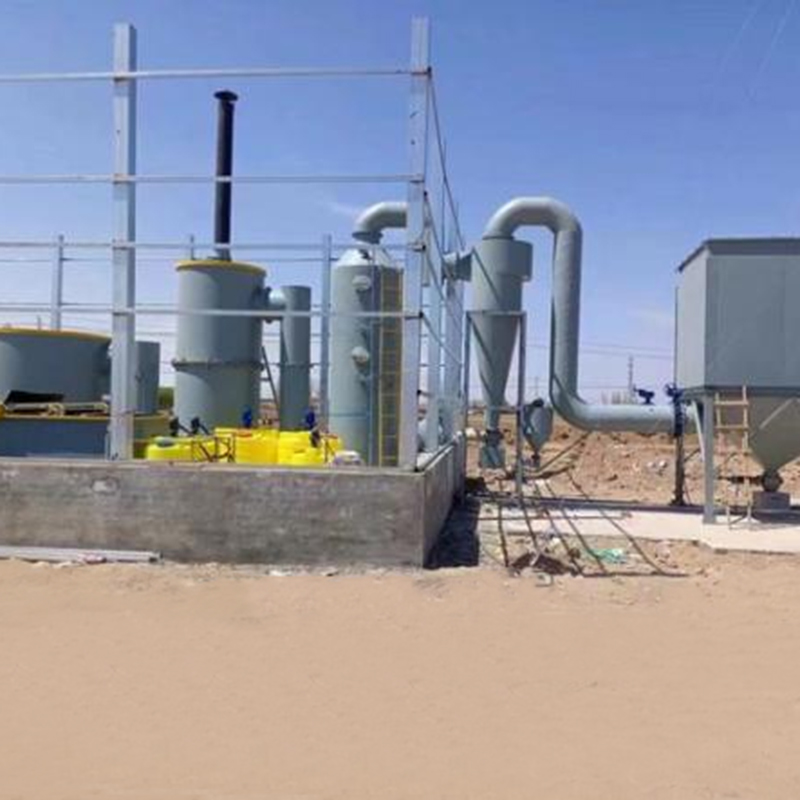
Überblick Die Verbrennungsöfen fester Abfälle sind wesentliche Geräte bei der Behandlung von festen Abfällen, mit denen Abfallmateriali...
Siehe Details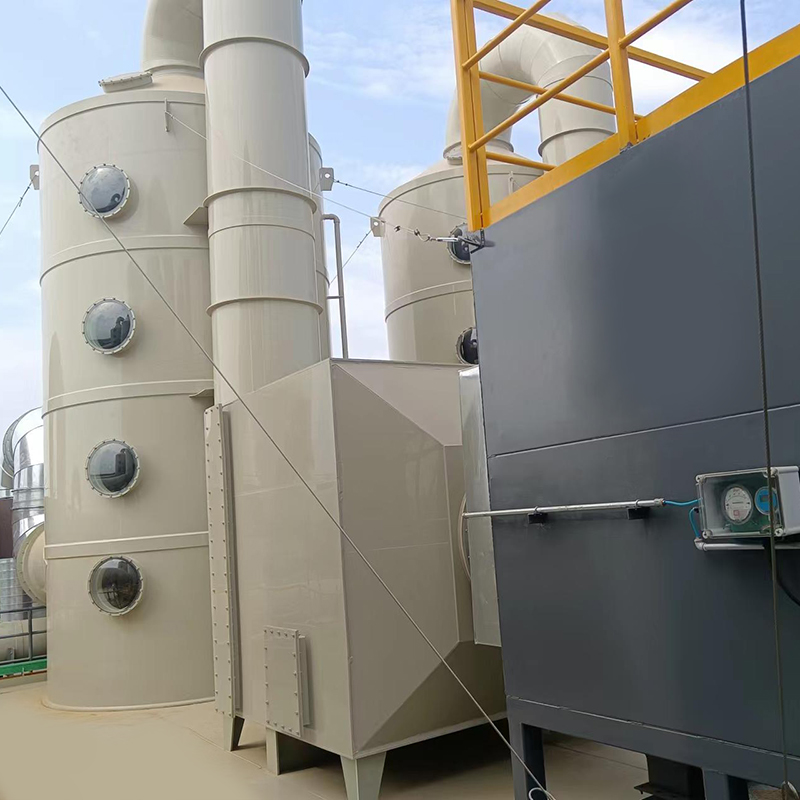
Überblick Die VOC-ACA-Serie Organische Gaspartikel-Kohlenstoffreinigung und -serholungsgeräte werden für die Absorption, Wiederherstellung ...
Siehe Details
Das Konzept der vollständigen Ausrüstung Der Zweck der rotierenden Trommel-Zeolith-Adsorption für organisches Abfallgas besteht darin, nied...
Siehe Details
Die katalytische Reinigungsausrüstung der VOC-CFT-Co-Adsorption Die katalytische VOC-CFT-Co-Adsorptions-Geräte, bestehend aus Wabenkarbon u...
Siehe Details
Konzept der Zeolith -Rotationsradkatalytikverbrennung als Ausrüstung Im kombinierten Prozess der Behandlung von organischen Abfällen und Ab...
Siehe Details
Zweck Hauptsächlich zur proportionalen Belüftung von Hochtemperatur-Rauchgas. LT wird an Stellen häufig verwendet, an denen die Anforderung...
Siehe DetailsMOBILE


Copyright © LV Quan Environmental Protection Engineering Technology Co., Ltd. All Rights Reserved. VOCs Organic Waste Gasbehandlungstechnik Gerät Hersteller

